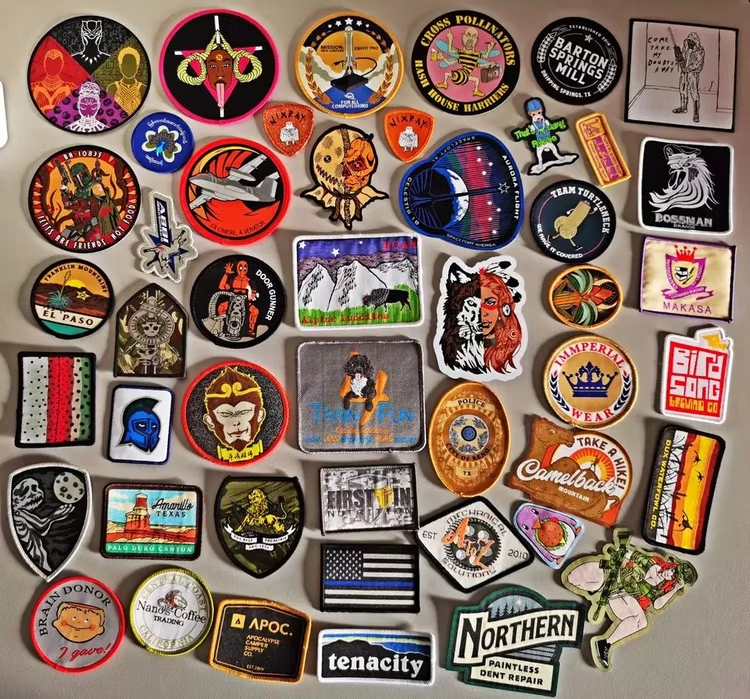
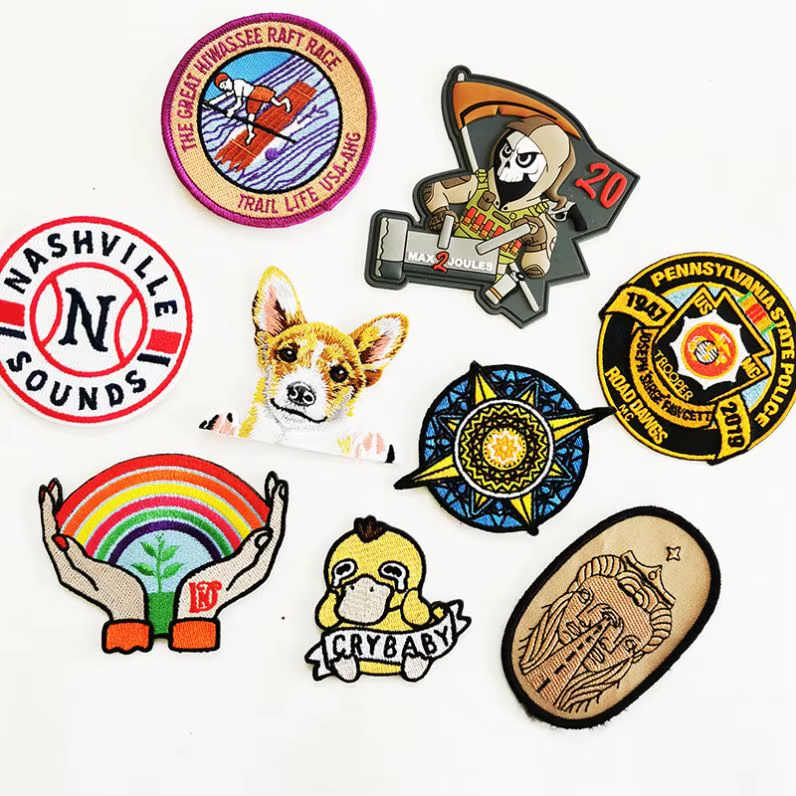
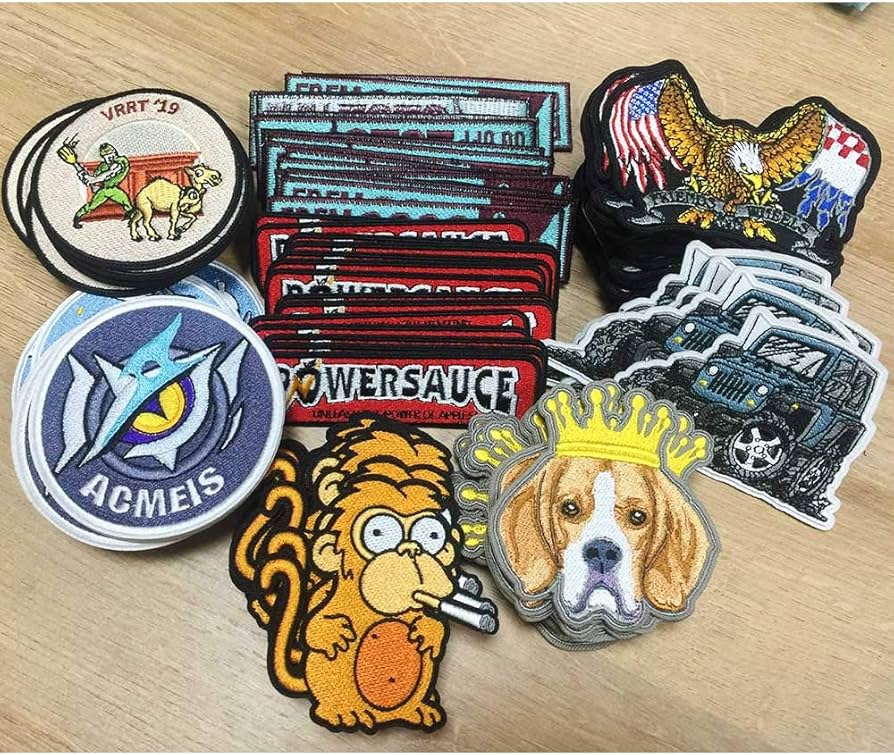
They also sit in a sweet spot: more premium than a basic print, less permanent than direct embroidery, and easier to swap or collect than most branded items.
Why are custom embroidered patches still in demand in 2026?
Custom embroidered patches remain popular because they solve multiple problems at once: branding, identity, durability, and affordability. A single patch can communicate a role, a community, or a message in a way that feels tangible and earned.
In 2026, people still want physical markers of belonging, especially when so much culture is digital and fast-moving.
What makes embroidered patches feel more “premium” than prints?
They look and feel dimensional, which instantly signals quality. Embroidery catches light differently, holds texture, and tends to photograph well, which matters for online stores and social content.
They also age better than many prints. Even when they fray slightly, they often look “worn-in” rather than broken, which adds to their appeal.
How do patches help brands and teams build identity fast?
They give groups a unified look without forcing everyone into the same garment. A team can place the same patch on jackets, hats, bags, or uniforms while keeping personal style intact.
For brands, patches also turn customers into walking billboards in a way that feels less like advertising. When someone chooses to apply a patch, it reads as affiliation, not just consumption.
Why do people still collect patches in an era of digital badges?
They feel earned and real. Digital badges are easy to issue and easy to ignore, but a patch takes up space, gets sewn on, and becomes part of someone’s daily gear.
Collectors also like the “drop” culture around patches. Limited runs, collabs, and event-only patches create scarcity without needing high prices.
What role do patches play in workwear and uniforms in 2026?
They still handle the practical needs: names, roles, departments, certifications, and brand marks. Many workplaces prefer patches because they can update staff details without replacing the whole garment.
They are also easier to standardize across suppliers. If a company sources shirts from different makers, a single patch design can keep branding consistent.
Why are morale patches and hook-and-loop patches still thriving?
They are easy to swap, which makes them perfect for personality, humor, and team culture. Hook-and-loop backing lets someone change a message day to day without damaging the garment.
This flexibility keeps people buying more than one. Instead of “one logo forever,” they can build a small library that matches moods, seasons, or roles.
How are fashion and streetwear keeping patches relevant?
Streetwear uses patches as storytelling. A patch can reference a city, a subculture, a tour, a club night, or an inside joke, and that specificity is hard to replicate with mass-market graphics.
They also work well with layered outfits. Patches can live on outerwear and accessories, which remain visible even when a shirt is covered by a jacket.
What customization options matter most to buyers now?
Buyers still care about three things: clean stitch detail, accurate color matching, and the right border and backing for the use case. Many also want guidance, not just a product, especially if they are ordering for the first time.
The most requested choices typically include:
Patch size and shape (circles, shields, rectangles, custom outlines)
Thread color count and stitch density
Merrowed border vs heat-cut edge
Backing type (sew-on, iron-on, hook-and-loop, adhesive)
Are embroidered patches durable enough for daily use?
Yes, when they are made and applied properly. Embroidered patches tend to handle abrasion well, and they are less likely to crack than many printed finishes.
Application matters, though. For heavy use, sew-on is usually the most durable option, while iron-on can be convenient but may need reinforcement stitching on frequently washed items.
Why do patches work so well for small businesses and creators?
They are low-risk compared to full apparel runs. A creator can stock one patch design and let customers apply it to whatever they already own, which reduces sizing issues and returns.
Patches also make strong add-on sales. They fit well as checkout upsells, bundle bonuses, or membership perks, and shipping is typically cheaper than bulky garments.
What should they consider before ordering custom embroidered patches?
They should start with clarity on purpose and placement. A design meant for a hat needs different detail than a large back patch, and a shop selling collectible patches may prioritize fine lines over ultra-thick thread.
A simple checklist usually prevents most mistakes:
Where will it be worn, and how big should it be?
Will it be swapped often, or is it permanent?
Does the design rely on tiny text that may not stitch cleanly?
Will the colors match specific brand standards?
Why will custom embroidered patches likely stay popular beyond 2026?
They keep winning because they combine meaning, utility, and style in a small, durable format. As trends cycle faster, patches stay relevant by being easy to produce, easy to personalize, and easy to attach to whatever people already wear.
In 2026, that mix still feels hard to beat: a physical symbol that lasts, without the commitment of a full rebrand or a whole new wardrobe.
FAQs (Frequently Asked Questions)
Why are custom embroidered patches still popular in 2026?
Custom embroidered patches remain popular in 2026 because they offer practical, personal, and versatile solutions for branding, identity, durability, and affordability. They serve as tangible markers of belonging in a fast-moving digital culture, making them highly sought after across workwear, streetwear, backpacks, and uniforms.
What makes embroidered patches more premium compared to printed designs?
Embroidered patches feel more premium than prints due to their dimensional look and texture that catches light uniquely. They age better over time, often developing a stylish ‘worn-in’ appearance rather than looking damaged. This quality enhances their appeal both physically and visually for online stores and social media content.
How do embroidered patches help brands and teams build identity quickly?
Embroidered patches enable groups to achieve a unified look without enforcing uniform garments. Teams can place the same patch on various items like jackets, hats, or bags while preserving individual style. For brands, patches turn customers into authentic walking billboards by signaling affiliation rather than mere consumption.
Why do collectors prefer physical embroidered patches over digital badges?
Collectors prefer embroidered patches because they feel earned and tangible compared to easy-to-ignore digital badges. Patches occupy physical space on daily gear and participate in ‘drop’ culture through limited runs and collaborations, creating scarcity and exclusivity without high prices.
What customization options are most important when ordering custom embroidered patches?
Key customization options include patch size and shape (circles, shields, rectangles, custom outlines), thread color count and stitch density, border type (merrowed vs heat-cut edge), and backing type (sew-on, iron-on, hook-and-loop, adhesive). Buyers also value clean stitch detail, accurate color matching, and expert guidance especially for first-time orders.
Are embroidered patches durable enough for everyday use?
Yes, embroidered patches are durable for daily wear when properly made and applied. They resist abrasion well and are less prone to cracking than many printed finishes. Sew-on application offers the most durability for heavy use; iron-on is convenient but may require reinforcement stitching on frequently washed garments.
They should define the primary use first, because “events,” “office badges,” and “heavy keys” need different builds. A conference giveaway can prioritize branding and price, while daily staff use should prioritize comfort and durability.
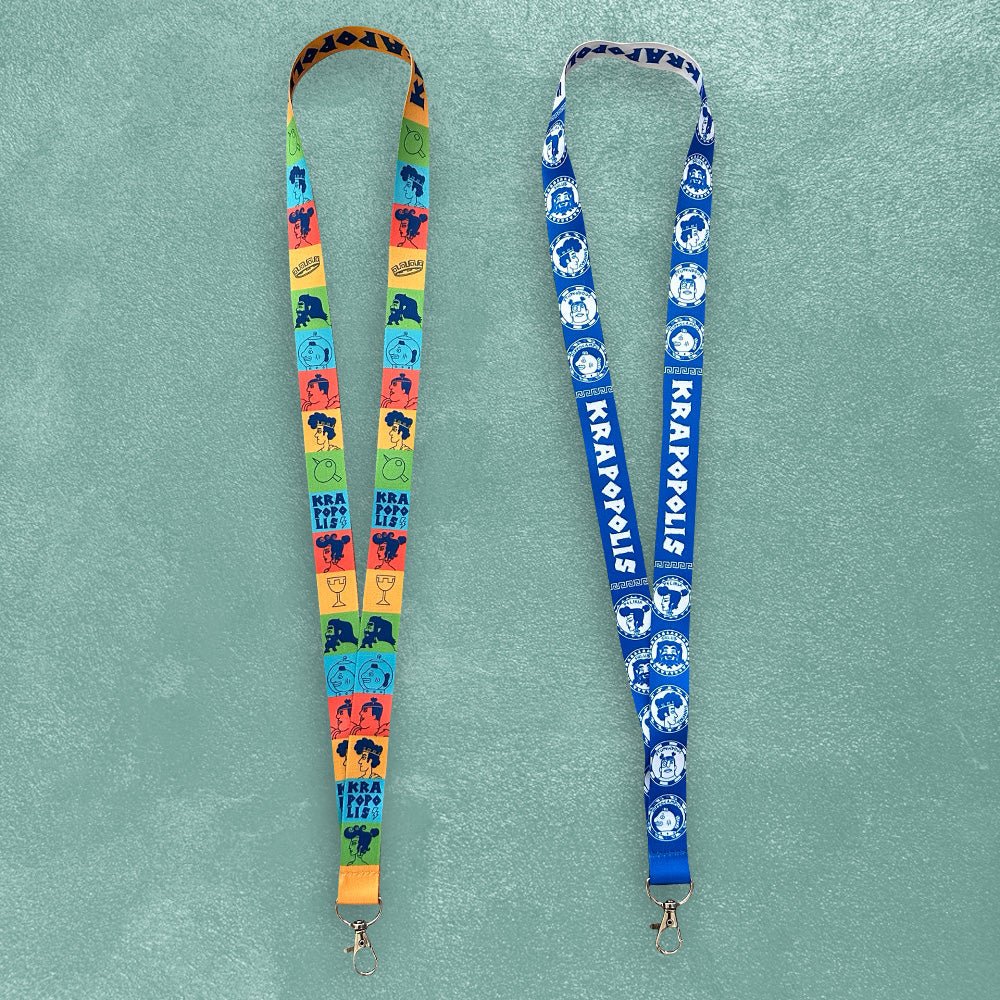
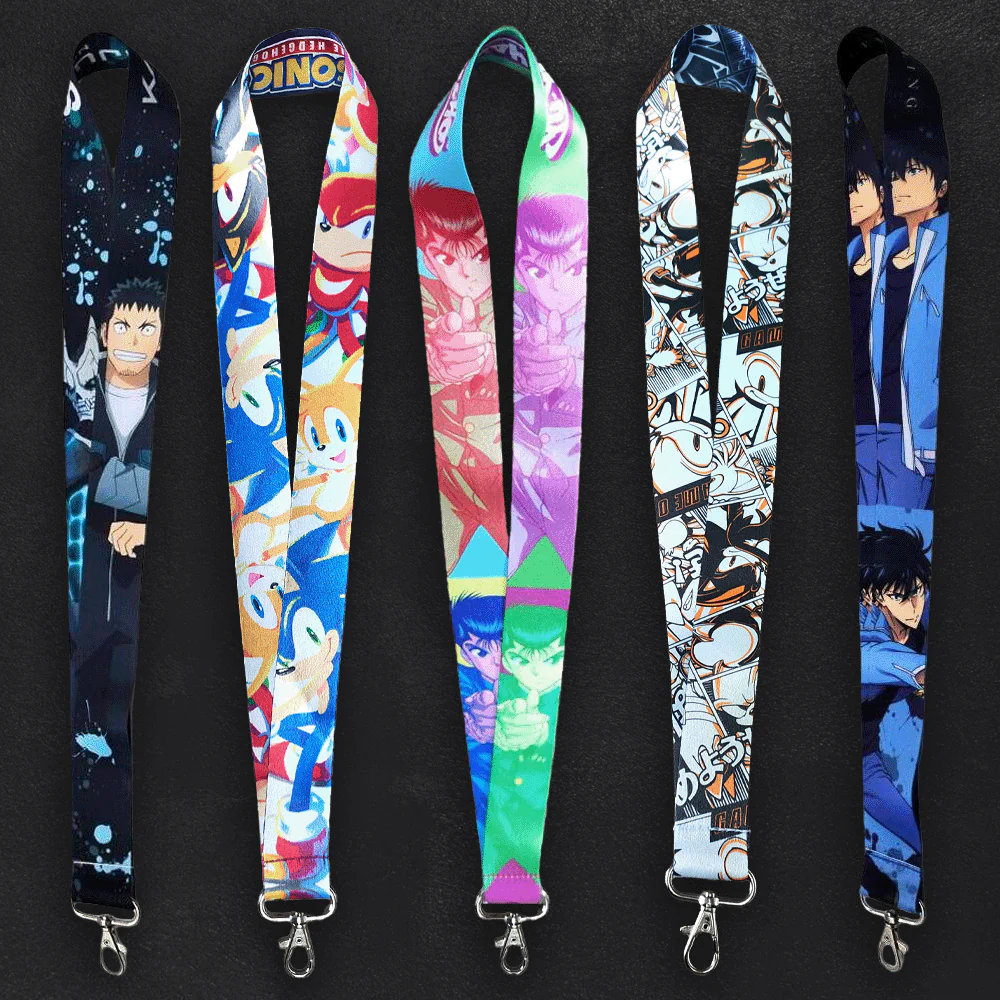
They should also note where it will be worn: outdoors, near water, around machinery, or in crowded venues. When ordering custom lanyards, those details directly affect material choice, safety breakaways, and attachment hardware.
Which material and width will feel right all day?
They should pick the strap material and width based on wear time and weight. Polyester is common and cost-effective. Nylon tends to look smoother and can feel softer. Tubular styles are usually more comfortable for long wear, especially for volunteers or staff.
Width matters more than many expect. Narrow lanyards can twist and dig in with heavier items. Wider ones distribute weight better and show logos more clearly, but can feel bulky for some users.
Is the printing method right for their logo and colors?
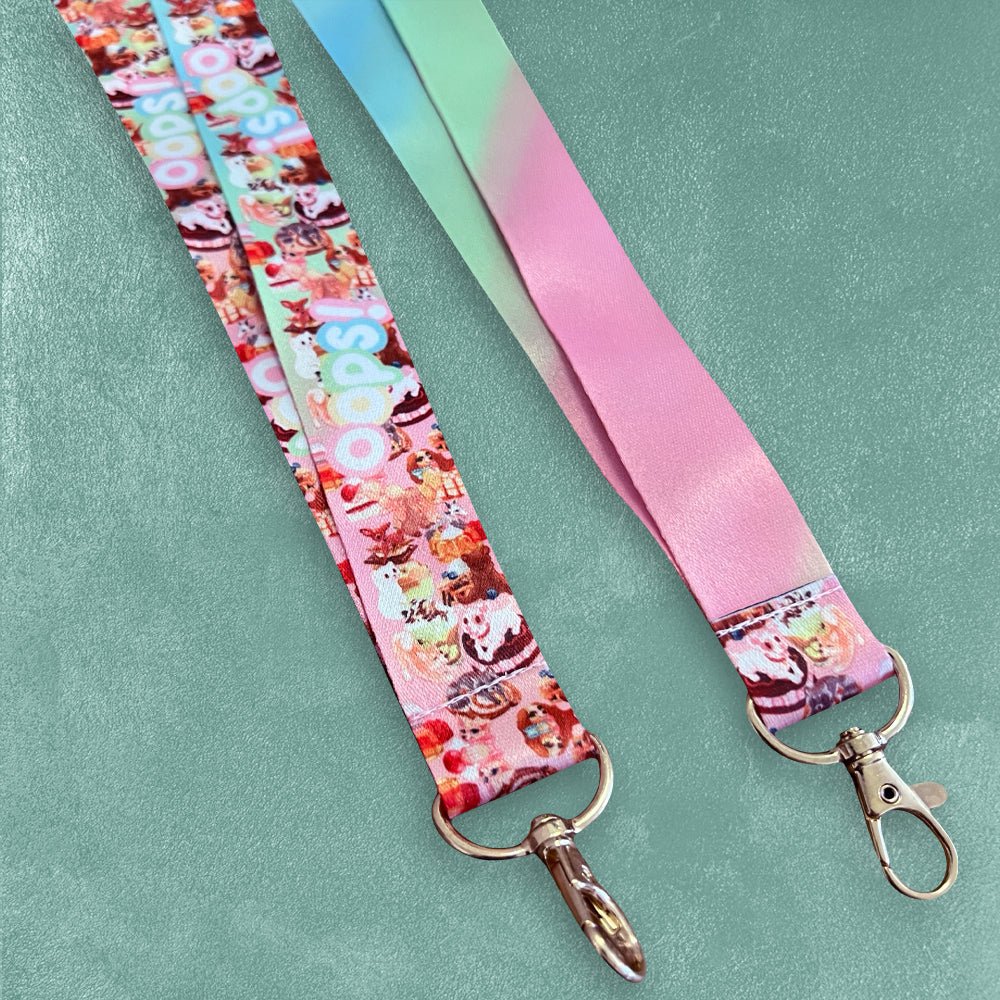
They should match the printing method to the design. Screen printing works well for simple logos and solid colors, often at lower cost for larger quantities. Dye sublimation is better for gradients, photos, and full-coverage designs, but they should confirm how colors translate on fabric.
They should request a proof that shows placement, scale, and color references. If brand accuracy matters, they should ask whether the vendor can match Pantone values and what tolerance to expect on fabric.
What attachment and add-ons do they need, and what do those add to cost?
They should choose the end attachment based on what will hang from it. A basic swivel hook works for most badges. A heavier keyring, carabiner, or reinforced clip may be better for keys or tools.
They should also decide on add-ons up front, because each one affects price, lead time, and usability. Common options include a safety breakaway, detachable buckle, badge reel, or a phone loop. If they expect frequent badge scanning, a detachable buckle can reduce wear and improve convenience.
Are safety and compliance requirements being met?
They should confirm whether a breakaway is required for their environment. Many workplaces, schools, and healthcare settings prefer breakaways to reduce snag hazards. If children will use them, breakaways are often a sensible default.
If they operate in regulated settings, they should ask about relevant standards or policies their organization follows. It is also worth checking if any metal parts could trigger restrictions at venues, or if they need non-metal or low-noise hardware.
What are the proof, sample, and production details before they approve?
They should never approve based on a mockup alone. They should confirm what the proof includes, whether revisions are free, and when the design becomes “locked”. If the order is large or brand-critical, they should request a pre-production sample and confirm whether it is physical or digital.
They should also verify timelines in plain language: production time, shipping method, delivery date, and what happens if a deadline is missed. Finally, they should confirm packaging and counts, since individual bagging, bundles, or labeled cartons can affect receiving and distribution.
What should they do next before ordering?
They should send vendors a short checklist: use case, quantity, material preference, width, printing method, attachments, required add-ons, and a hard delivery date. Then they should compare quotes that include proofs, shipping, and any setup fees, not just unit price.
If they do those checks first, they are far more likely to receive custom lanyards that look right, wear well, and arrive on time.
FAQs (Frequently Asked Questions)
What factors should I consider when choosing a custom lanyard for different uses?
You should first define the primary use of the lanyard, as requirements vary for events, office badges, or heavy keys. Consider where it will be worn—outdoors, near water, around machinery, or in crowded venues—as this affects material choice, safety breakaways, and attachment hardware to ensure comfort and durability.
How do I select the right material and width for a comfortable custom lanyard?
Choose strap material and width based on how long it will be worn and the weight it must hold. Polyester is cost-effective and common; nylon offers a smoother, softer feel. Tubular styles enhance comfort for long wear. Wider lanyards distribute weight better and showcase logos clearly but may feel bulky; narrow ones can twist and dig in with heavier items.
Which printing method is best suited for my logo and color design on custom lanyards?
Match the printing method to your design: screen printing is ideal for simple logos and solid colors at lower costs for large orders; dye sublimation suits gradients, photos, and full-coverage designs but verify color translation on fabric. Always request proofs showing placement, scale, and color references to ensure brand accuracy including Pantone matching.
What attachment options and add-ons are available for custom lanyards, and how do they affect cost?
Select end attachments based on what will hang from the lanyard—a swivel hook fits most badges; heavier keyrings or carabiners suit keys or tools. Add-ons like safety breakaways, detachable buckles, badge reels, or phone loops impact price, lead time, and usability. For frequent badge scanning, detachable buckles reduce wear and increase convenience.
Are there safety and compliance considerations I need to address when ordering custom lanyards?
Yes. Confirm if safety breakaways are required in your environment to reduce snag hazards—common in workplaces, schools, healthcare settings, or when used by children. Check if your organization follows specific standards or policies. Also verify if metal parts comply with venue restrictions or if you need non-metal or low-noise hardware.
What proofing, sampling, and production details should I confirm before approving a custom lanyard order?
Never approve based solely on a mockup. Confirm what the proof includes, revision policies, and when designs become locked. For large or brand-critical orders, request pre-production samples (physical or digital). Verify clear timelines for production, shipping methods, delivery dates, contingency plans for delays, packaging types, counts per package—all affect receiving and distribution.