Are Vehicle Emblems Still the Most Popular Form of Car Branding?
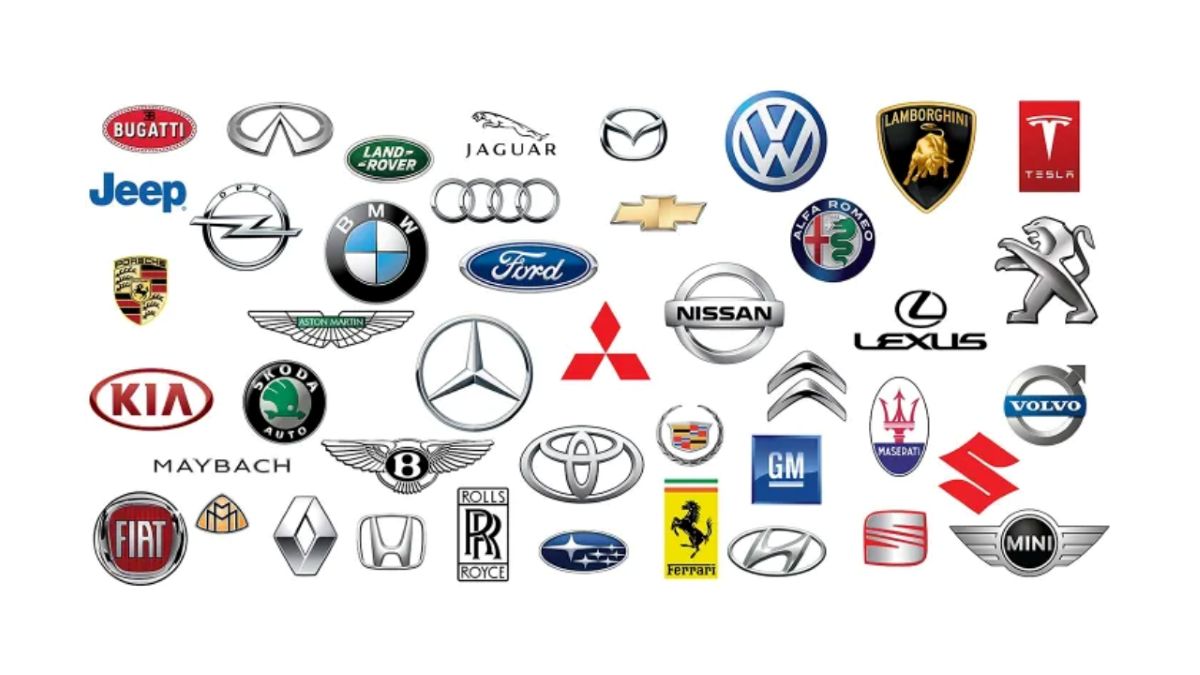
Hood emblems for cars are distinctive badges or logos mounted on vehicles that serve as powerful visual signatures for automotive manufacturers. These metal or plastic symbols—commonly positioned on the bonnet, boot, and wheels—act as the primary physical identifiers of a brand’s identity, instantly signaling which company built the vehicle.
The role of car branding has evolved significantly since the early days of motoring. What began as simple manufacturer marks has developed into a complex ecosystem of automotive brand identity elements. For decades, hood emblems for cars dominated this space, representing the main visual connection between the brand and the consumer.
Today’s automotive landscape tells a different story. Digital displays integrated into vehicle grilles can change appearance based on driving modes or owner preferences. Mobile apps now create personalised brand experiences long before customers enter a showroom, while augmented reality tools allow buyers to visualise vehicles in their own driveways using smartphones.
This evolution raises an important question: are hood emblems for cars still the most influential form of vehicle branding? While physical emblems remain a standard feature on every production vehicle, their role is increasingly shared with digital branding methods that offer dynamic, interactive, and personalised experiences. Rather than being replaced, hood emblems for cars now compete—and often collaborate—with these technologies to reinforce brand identity in a modern automotive world.
What Role Have Vehicle Emblems Traditionally Played in Car Branding?
Vehicle emblems have been a key part of traditional car branding, acting as visual symbols that instantly convey a manufacturer’s identity without the need for words. These metallic badges turn regular cars into branded experiences, allowing for quick recognition from a distance where model names may not be readable.
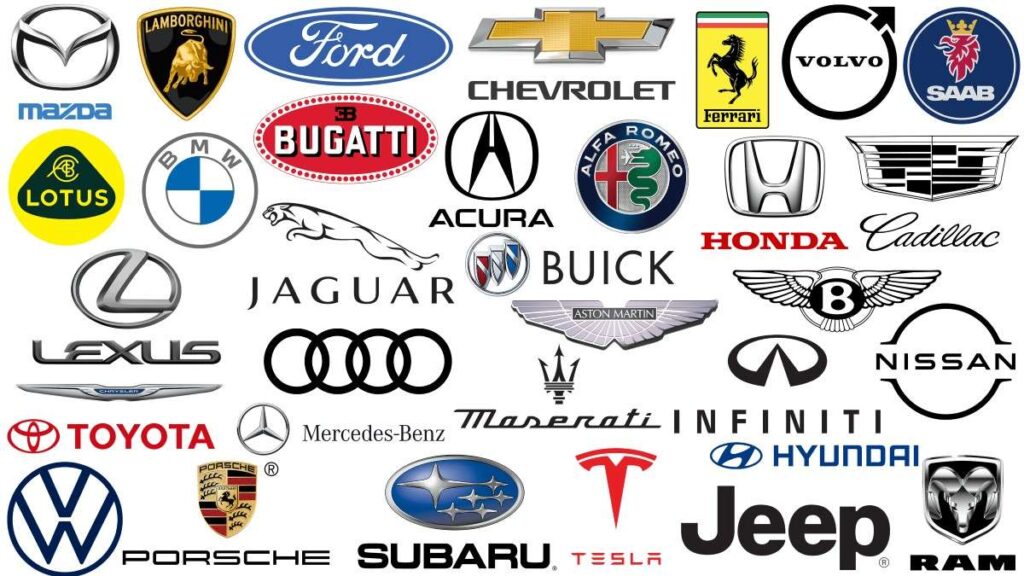
Iconic vehicle emblems contain years—sometimes even centuries—of brand heritage within their small designs. The blue-and-white roundel of BMW, which comes from the company’s Bavarian roots and aviation history, represents precision engineering and German craftsmanship. The three-pointed star of Mercedes-Benz signifies the brand’s control over land, sea, and air, embodying luxury and technological superiority. Ferrari’s prancing horse symbolizes racing pedigree and Italian passion, while Porsche’s crest combines Stuttgart’s coat of arms with Württemberg’s state emblem, grounding the brand in its geographical origins.
These symbols tell stories in a condensed form. Each emblem takes complex brand values and distils them into a single, memorable image that consumers can understand in an instant. The Spirit of Ecstasy figurine on Rolls-Royce cars conveys wealth and exclusivity without needing any explanation. Alfa Romeo’s serpent-and-cross emblem links modern vehicles to medieval Milanese history, creating a connection across centuries.
The emotional impact of recognising an emblem goes beyond simply knowing a logo. Studies in consumer psychology show that familiar emblems bring back memories and evoke feelings of aspiration. When a child sees a Lamborghini badge and recognises it, they become aware of the brand long before they have the ability to buy one. Enthusiasts spot each other’s brand loyalties through emblems, forming informal communities united by shared visual symbols.
Brand heritage becomes tangible through these physical markers. Unlike digital branding elements that exist only on screens for short periods of time, emblems occupy real-world spaces on bonnets (hoods), boots (trunks), and steering wheels. They endure weather conditions, develop wear and tear over time, and become part of the ownership experience. Vintage emblems found on classic cars serve as historical artefacts, showcasing how automotive design has evolved through different styles and manufacturing methods.
The positioning of emblems is also strategically important. Badges placed at the front of vehicles claim visual space on the road, making sure that the brand is visible in the most frequently seen areas where cars are located. Emblems on steering wheels reinforce brand identity inside vehicles while also serving as reminders to drivers about what they are driving.
In summary, vehicle emblems play a crucial role in car branding by conveying manufacturers’ identities through their designs. These symbols carry rich histories behind them while also creating emotional connections with consumers. By understanding how these emblems function both externally (on roads) and internally (within vehicles), we gain insight into their significance within automotive culture.
How Have Digital Innovations Impacted Car Branding Strategies?
Digital technology has fundamentally transformed how automotive brands present themselves to consumers, introducing dynamic and interactive branding methods that were impossible with static emblems alone. Connected vehicles now serve as platforms for real-time brand communication, allowing manufacturers to adapt their visual identity based on context, driver preferences, or special occasions.
Dynamic Digital Displays Replace Static Badges
Several luxury and electric vehicle manufacturers have begun integrating illuminated grilles and digital panels where traditional emblems once sat. BMW’s concept vehicles feature adaptive light displays that can change patterns and intensity, whilst Genesis has introduced vehicles with digital badges that illuminate and dim based on driving conditions. These digital car branding elements allow the emblem itself to become an interactive feature rather than a fixed metal badge.
The Hyundai Ioniq 5 showcases parametric pixel LED lights that create distinctive patterns, effectively turning the entire front fascia into a branding canvas. This approach transforms the vehicle’s face into a customisable brand statement that can evolve with software updates, something impossible with conventional chrome or metal emblems.
Custom Messages and Contextual Graphics
Modern connected vehicles enable brands to display temporary messages and graphics on exterior panels and dashboard screens. Mercedes-Benz’s MBUX system allows drivers to customise digital displays with brand-specific themes, whilst Rivian vehicles feature a horizontal LED light bar that can display charging status and other information through distinctive light sequences.
Some manufacturers have experimented with programmable exterior lighting that displays welcome messages when owners approach their vehicles. Audi’s Matrix LED technology creates personalised light signatures, whilst BMW’s Laser Light system projects brand-specific patterns onto the road ahead. These features extend branding beyond the physical emblem into the driving experience itself.
Interactive Branding Through Vehicle-to-Customer Communication
Digital innovations have enabled cars to become two-way communication devices. Tesla vehicles receive over-the-air updates that can introduce new brand experiences, from custom horn sounds to unique light show sequences that reinforce brand personality. This continuous digital engagement keeps the brand relationship active long after purchase.
Electric vehicle charging screens have become new branding touchpoints, with manufacturers like Porsche and Polestar designing custom interfaces that reflect brand aesthetics during the 20-30 minute charging sessions.
How Are Automakers Expanding Brand Experience Beyond Physical Emblems?
Automakers are creating immersive digital brand experiences through mobile applications that transform how customers interact with their vehicles and the brand itself. These apps extend far beyond basic remote start functions, offering personalised dashboards that track driving habits, schedule maintenance, and provide tailored recommendations based on individual usage patterns. Tesla’s mobile app exemplifies this shift, allowing owners to control nearly every aspect of their vehicle whilst simultaneously reinforcing brand loyalty through seamless digital integration.
1. Mobile Apps: Constant Brand Touchpoints
Mobile apps serve as constant brand touchpoints that keep manufacturers connected to customers long after the initial purchase. BMW’s My BMW app delivers customised content, from driving tips to exclusive event invitations, creating an ongoing relationship that traditional emblems alone cannot achieve. Mercedes-Benz’s Mercedes me platform takes this further by integrating concierge services, remote diagnostics, and over-the-air updates that continuously enhance the ownership experience.
2. Augmented Reality Showrooms: Exploring Vehicles Virtually
The rise of augmented reality showrooms has revolutionised how potential buyers explore vehicles before making purchase decisions. Audi’s AR experience allows customers to visualise different colour options, wheel designs, and interior configurations by simply pointing their smartphones at a physical vehicle or even an empty space. This technology transforms any location into a virtual showroom, eliminating geographical barriers whilst maintaining brand presence through digital means.
3. Blending Physical and Digital Realms with AR
Porsche’s AR app demonstrates how manufacturers blend physical and digital realms by enabling users to place life-sized virtual vehicles in their driveways or garages. Customers can walk around these digital representations, examine interior details, and even sit inside using VR headsets. This approach creates memorable brand interactions that emblems displayed on bonnets cannot replicate.
4. Customisation and Safety Features: Engaging Experiences
Virtual configurators integrated with AR technology allow buyers to experiment with thousands of customisation options in real-time. Volvo’s Reality app lets users explore safety features through interactive overlays, highlighting the brand’s commitment to protection whilst educating customers about technological innovations. These experiences create emotional connections through engagement rather than passive emblem recognition.
5. Amplifying Brand Reach through Social Media Integration
Social media integration within these digital platforms amplifies brand reach beyond traditional automotive marketing. Users sharing their AR-configured dream cars or app-tracked road trips become brand ambassadors, spreading awareness through authentic personal experiences. This organic promotion carries more weight than static emblems in building modern brand communities.
Why Do Vehicle Emblems Remain Important Despite New Branding Trends?
Brand recognition through physical emblems remains unmatched in the automotive industry. A Mercedes-Benz three-pointed star or Audi’s four rings communicates brand identity instantly, requiring no digital interface or technological mediation. This immediate visual recognition creates a powerful marketing advantage that digital displays cannot replicate with the same consistency.
Physical emblems serve as permanent physical touchpoints that consumers interact with daily. Every time a driver approaches their vehicle, unlocks the door, or simply glances at the bonnet, the emblem reinforces brand loyalty. These repeated micro-interactions build a cumulative emotional connection that transcends what app notifications or digital screens can achieve.
The emblem’s role as a prestige symbol has intensified rather than diminished in luxury segments. Brands like Rolls-Royce, Bentley, and Ferrari understand that their emblems represent exclusivity and achievement. The Spirit of Ecstasy figurine on a Rolls-Royce bonnet carries cultural weight that no digital innovation has yet managed to replicate or replace.
Marketing campaigns continue to feature emblems prominently across all channels. Print advertisements, television commercials, and social media content consistently showcase brand emblems as central visual elements. BMW’s roundel appears in virtually every piece of marketing material the company produces, demonstrating the emblem’s enduring value as a brand anchor.
Consumer research reveals that emblems influence purchasing decisions significantly. Buyers often cite the badge on the bonnet as a factor in their choice, viewing it as validation of their investment. The emblem transforms a vehicle from mere transportation into a statement about the owner’s taste, success, and values.
Quality perception links directly to emblem recognition in consumer psychology. A Lexus emblem signals Japanese precision engineering, whilst a Porsche crest suggests German performance heritage. These associations have developed over decades and represent brand equity worth billions of pounds that cannot be easily transferred to digital alternatives.
Status signalling through emblems remains particularly relevant in emerging markets. In countries experiencing rapid economic growth, luxury car emblems serve as visible markers of upward mobility. The physical badge carries social currency that digital branding elements struggle to match in these contexts.
Moreover, resale value correlates with emblem prestige, creating tangible financial benefits for owners when they decide to sell their vehicles. This aspect is particularly significant in the luxury segment where brands like A.Lange & Söhne or Patek Philippe are associated with high resale values due to their prestigious emblems and brand recognition here.
How Are Traditional Emblems Coexisting with Emerging Digital Branding Methods?
Physical emblems and digital innovations work together rather than compete, creating a multi-channel branding approach that strengthens overall brand identity. The metal badge on a car’s bonnet establishes immediate visual recognition in the physical world, whilst digital touchpoints extend that brand presence into apps, configurators, and connected vehicle interfaces.
See Also : Timeline of Australian innovations
The Complementary Nature of Hybrid Branding Strategies
Automotive brand evolution has led manufacturers to view emblems as anchors in a broader ecosystem. The traditional badge provides consistency and heritage, serving as a recognisable constant that consumers can physically touch and see. Digital elements then amplify this foundation by offering personalised experiences that adapt to individual preferences and contexts.
BMW exemplifies this hybrid branding strategy through its illuminated kidney grilles that combine the classic physical emblem with LED technology. The iconic roundel remains unchanged, yet the surrounding grille can display different lighting patterns, merging tradition with innovation. This approach respects brand heritage whilst embracing technological advancement.
Mercedes-Benz has integrated its three-pointed star into both physical and digital realms. The emblem appears prominently on vehicle exteriors, yet the brand’s MBUX infotainment system uses the same star motif throughout digital interfaces, creating visual continuity across touchpoints. Customers encounter the familiar symbol whether they’re looking at their car or interacting with the mobile app.
Real-World Applications of Dual Branding Approaches
Tesla demonstrates a minimalist physical emblem strategy paired with extensive digital branding. The simple “T” badge on vehicles is understated, yet the brand’s digital presence through over-the-air updates, mobile app controls, and in-car displays creates a comprehensive brand experience. The physical emblem serves as a subtle marker whilst digital interactions define much of the ownership experience.
Audi’s approach includes traditional four-ring emblems alongside digital innovations like customisable ambient lighting and personalised display themes. The rings remain a fixed brand identifier, yet drivers can tailor their digital environment to reflect personal preferences, creating individual expressions within the established brand framework.
Genesis has launched vehicles featuring illuminated emblems that activate when the driver approaches, blending physical presence with dynamic digital elements. The brand’s connected services app mirrors the visual language of its vehicles, ensuring consistency across both offline and online experiences.
Conclusion
Are vehicle emblems still the most popular form of car branding? The answer is both yes and no. Physical emblems remain the most widely recognised and emotionally impactful form of automotive identity, found on every vehicle and serving as the main visual connection between brand and consumer. However, in today’s multi-channel landscape, “most popular” no longer means “only” or even “primary”.
The future of car branding clearly lies in integration rather than replacement. Technology has expanded the branding toolkit without diminishing emblem relevance—consumers still seek out that Mercedes star or Audi rings when making purchase decisions. What’s changed is the ecosystem surrounding these traditional markers.
Evolving automotive identity now includes:
- Physical emblems that provide instant recognition and heritage
- Digital displays offering dynamic, context-aware brand messaging
- Mobile applications creating personalised brand relationships
- Augmented reality experiences deepening customer engagement
- Connected vehicle services extending brand presence beyond the showroom
The automotive industry has entered an era where branding success depends on orchestrating these elements harmoniously. Emblems anchor the brand’s physical presence whilst digital innovations amplify reach and personalisation. Neither approach can fully replace the other’s strengths.
Manufacturers who understand this duality—preserving the emotional power of traditional emblems whilst embracing digital opportunities—position themselves most effectively for the evolving marketplace. The badge on the bonnet still matters, but it’s now part of a broader conversation between brand and consumer that extends far beyond the vehicle itself.
More to Read : Top 7 Design Ideas for Stunning Custom Blazer Patches
