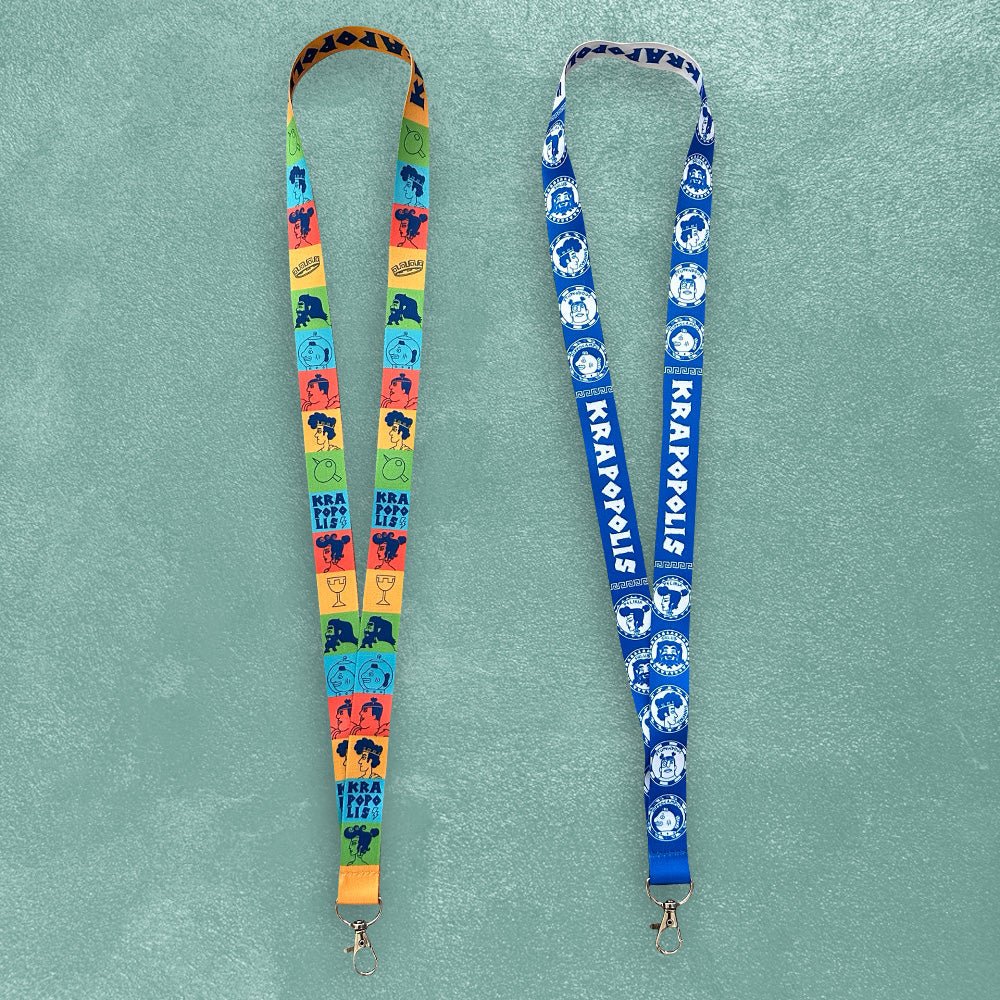
Custom Lanyards: 6 Things to Check Before Ordering
What is the lanyard actually for?
They should define the primary use first, because “events,” “office badges,” and “heavy keys” need different builds. A conference giveaway can prioritize branding and price, while daily staff use should prioritize comfort and durability.
They should also note where it will be worn: outdoors, near water, around machinery, or in crowded venues. When ordering custom lanyards, those details directly affect material choice, safety breakaways, and attachment hardware.
Which material and width will feel right all day?
They should pick the strap material and width based on wear time and weight. Polyester is common and cost-effective. Nylon tends to look smoother and can feel softer. Tubular styles are usually more comfortable for long wear, especially for volunteers or staff.
Width matters more than many expect. Narrow lanyards can twist and dig in with heavier items. Wider ones distribute weight better and show logos more clearly, but can feel bulky for some users.
Is the printing method right for their logo and colors?
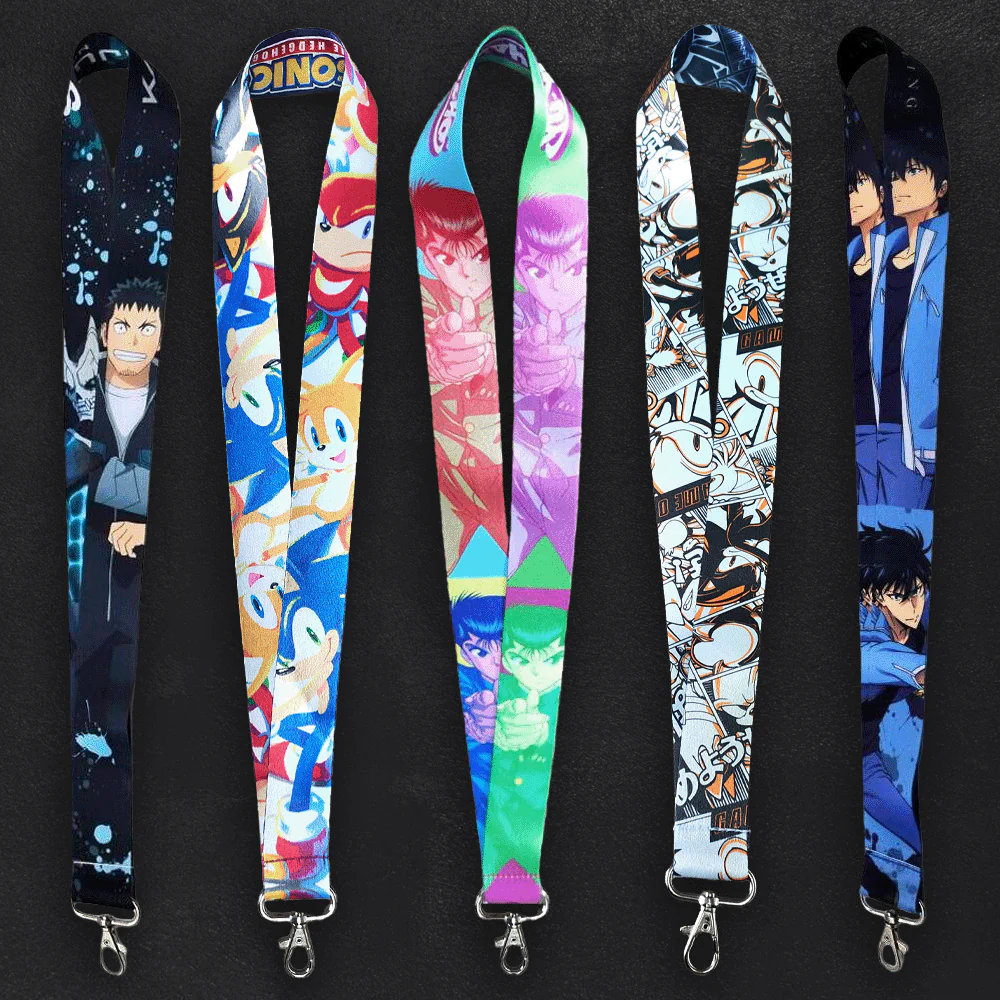
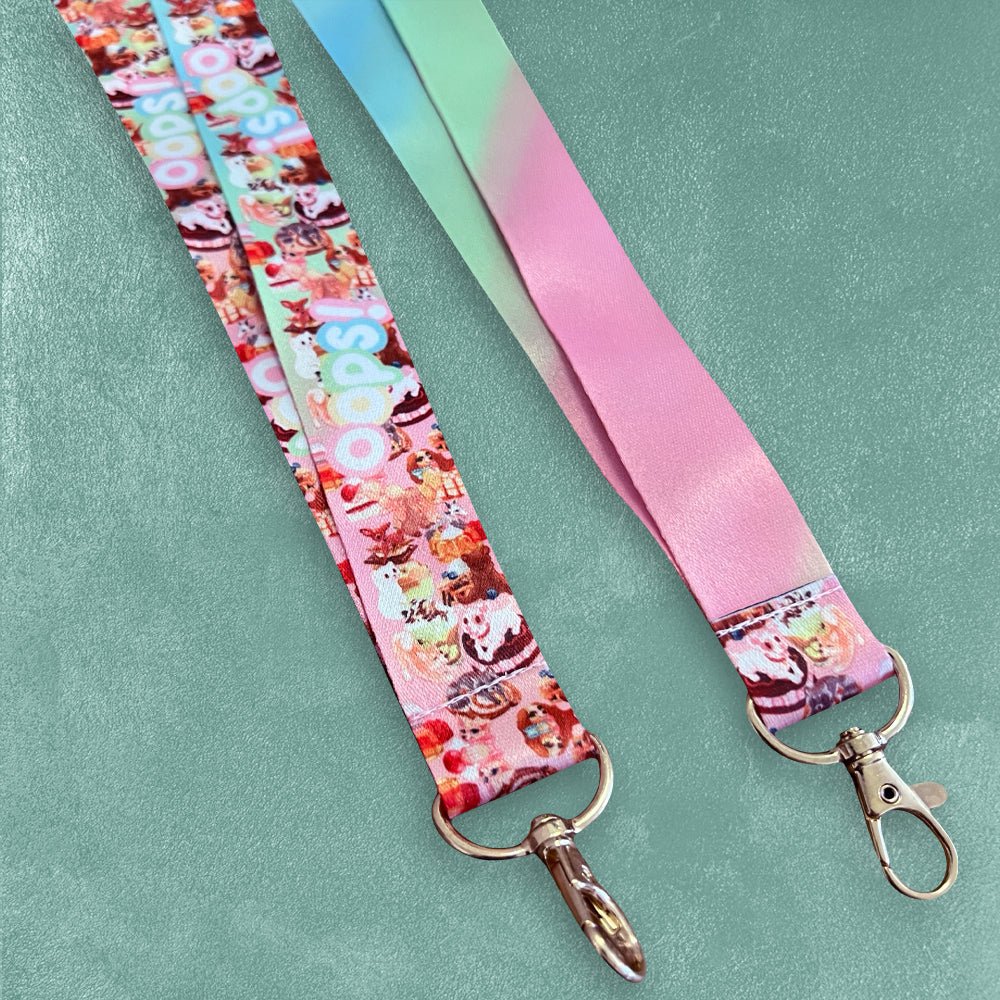
They should match the printing method to the design. Screen printing works well for simple logos and solid colors, often at lower cost for larger quantities. Dye sublimation is better for gradients, photos, and full-coverage designs, but they should confirm how colors translate on fabric.
They should request a proof that shows placement, scale, and color references. If brand accuracy matters, they should ask whether the vendor can match Pantone values and what tolerance to expect on fabric.
What attachment and add-ons do they need, and what do those add to cost?
They should choose the end attachment based on what will hang from it. A basic swivel hook works for most badges. A heavier keyring, carabiner, or reinforced clip may be better for keys or tools.
They should also decide on add-ons up front, because each one affects price, lead time, and usability. Common options include a safety breakaway, detachable buckle, badge reel, or a phone loop. If they expect frequent badge scanning, a detachable buckle can reduce wear and improve convenience.
Are safety and compliance requirements being met?
They should confirm whether a breakaway is required for their environment. Many workplaces, schools, and healthcare settings prefer breakaways to reduce snag hazards. If children will use them, breakaways are often a sensible default.
If they operate in regulated settings, they should ask about relevant standards or policies their organization follows. It is also worth checking if any metal parts could trigger restrictions at venues, or if they need non-metal or low-noise hardware.
What are the proof, sample, and production details before they approve?
They should never approve based on a mockup alone. They should confirm what the proof includes, whether revisions are free, and when the design becomes “locked”. If the order is large or brand-critical, they should request a pre-production sample and confirm whether it is physical or digital.
They should also verify timelines in plain language: production time, shipping method, delivery date, and what happens if a deadline is missed. Finally, they should confirm packaging and counts, since individual bagging, bundles, or labeled cartons can affect receiving and distribution.
What should they do next before ordering?
They should send vendors a short checklist: use case, quantity, material preference, width, printing method, attachments, required add-ons, and a hard delivery date. Then they should compare quotes that include proofs, shipping, and any setup fees, not just unit price.
If they do those checks first, they are far more likely to receive custom lanyards that look right, wear well, and arrive on time.
FAQs (Frequently Asked Questions)
What factors should I consider when choosing a custom lanyard for different uses?
You should first define the primary use of the lanyard, as requirements vary for events, office badges, or heavy keys. Consider where it will be worn—outdoors, near water, around machinery, or in crowded venues—as this affects material choice, safety breakaways, and attachment hardware to ensure comfort and durability.
How do I select the right material and width for a comfortable custom lanyard?
Choose strap material and width based on how long it will be worn and the weight it must hold. Polyester is cost-effective and common; nylon offers a smoother, softer feel. Tubular styles enhance comfort for long wear. Wider lanyards distribute weight better and showcase logos clearly but may feel bulky; narrow ones can twist and dig in with heavier items.
Which printing method is best suited for my logo and color design on custom lanyards?
Match the printing method to your design: screen printing is ideal for simple logos and solid colors at lower costs for large orders; dye sublimation suits gradients, photos, and full-coverage designs but verify color translation on fabric. Always request proofs showing placement, scale, and color references to ensure brand accuracy including Pantone matching.
What attachment options and add-ons are available for custom lanyards, and how do they affect cost?
Select end attachments based on what will hang from the lanyard—a swivel hook fits most badges; heavier keyrings or carabiners suit keys or tools. Add-ons like safety breakaways, detachable buckles, badge reels, or phone loops impact price, lead time, and usability. For frequent badge scanning, detachable buckles reduce wear and increase convenience.
Are there safety and compliance considerations I need to address when ordering custom lanyards?
Yes. Confirm if safety breakaways are required in your environment to reduce snag hazards—common in workplaces, schools, healthcare settings, or when used by children. Check if your organization follows specific standards or policies. Also verify if metal parts comply with venue restrictions or if you need non-metal or low-noise hardware.
What proofing, sampling, and production details should I confirm before approving a custom lanyard order?
Never approve based solely on a mockup. Confirm what the proof includes, revision policies, and when designs become locked. For large or brand-critical orders, request pre-production samples (physical or digital). Verify clear timelines for production, shipping methods, delivery dates, contingency plans for delays, packaging types, counts per package—all affect receiving and distribution.
See Also: Custom embroidered patches: why they’re still popular in 2026.
